Understanding the Importance of Orthodontic Treatment
Orthodontic treatment plays a crucial role in not only enhancing the aesthetics of a smile but also in improving overall oral health. Misaligned teeth can lead to various dental issues, including cavities and gum disease, as they are harder to clean properly. Seeking orthodontic care can help prevent these complications and promote better long-term dental health.
For instance, individuals with straight teeth typically experience less wear on their enamel and reduced stress on their jaw joints. Treatments such as braces or Invisalign not only correct alignment but also contribute to a more confident smile, which can positively impact self-esteem and social interactions.
Types of Orthodontic Appliances
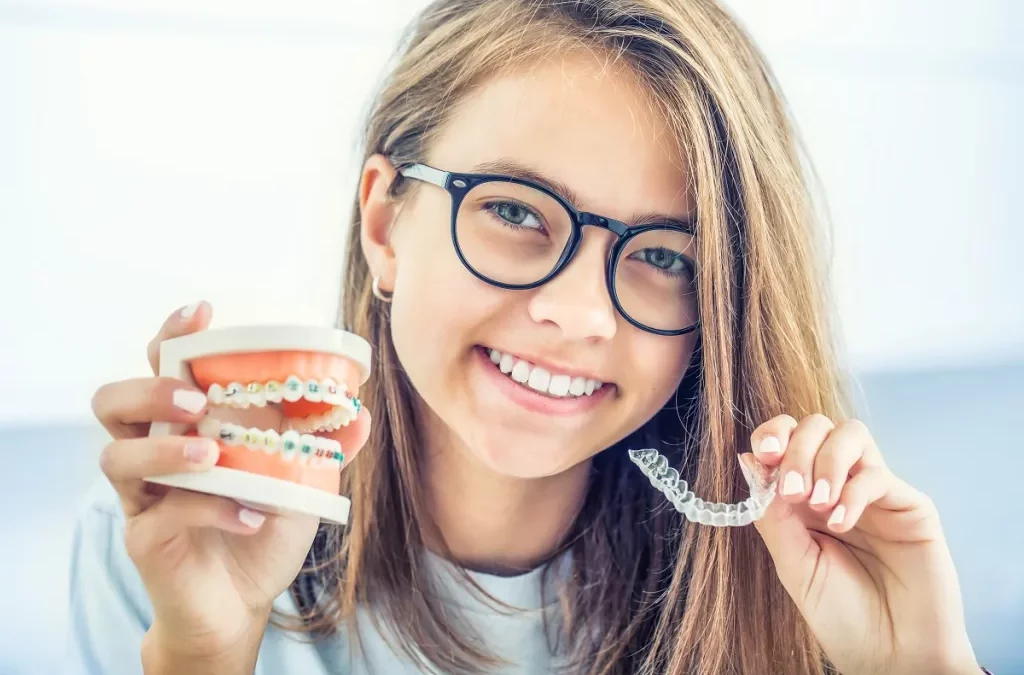
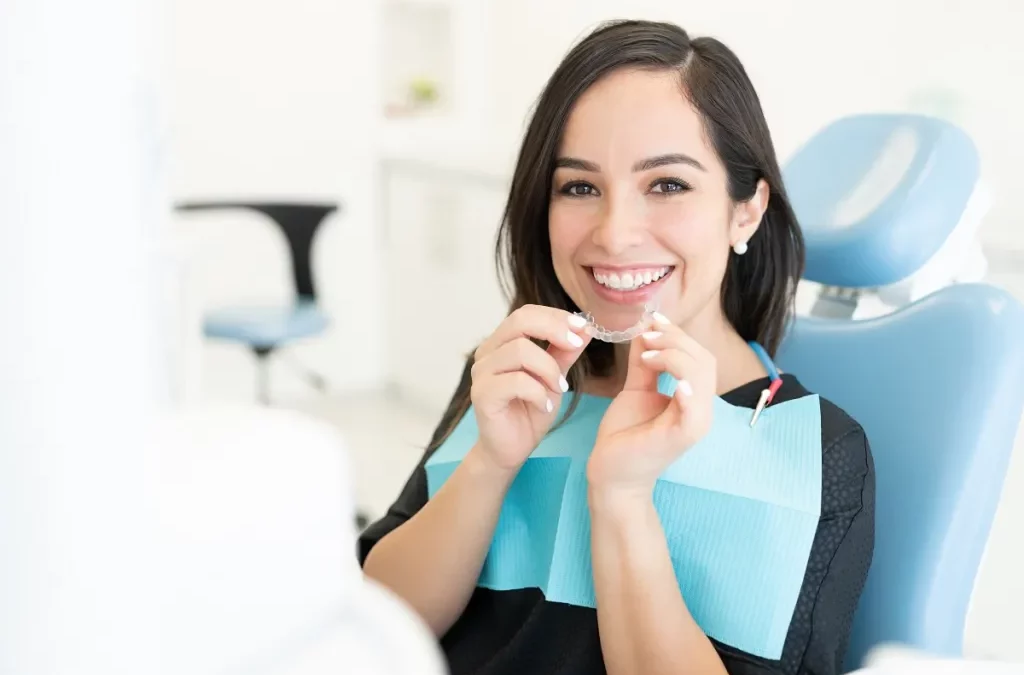
There are several types of orthodontic appliances available to address different alignment issues, including traditional metal braces, ceramic braces, and clear aligners like Invisalign. Each type has its unique advantages and suitability depending on the patient's specific dental needs and lifestyle preferences.
For example, traditional metal braces are often the most effective for complex cases, while clear aligners offer a more discreet option for those concerned about aesthetics during treatment. Understanding these options can help patients make informed decisions about their orthodontic journey.
Aftercare Tips for Retainers
Proper aftercare for retainers is essential to maintain the results achieved from orthodontic treatment. Retainers help to keep teeth in their new positions, but they require regular cleaning and care to ensure they remain effective and hygienic.
Patients should clean their retainers daily using a soft toothbrush and mild soap, avoiding abrasive materials that could scratch the surface. Additionally, it's important to wear retainers as prescribed by the orthodontist to prevent teeth from shifting back to their original positions.
Common Myths About Orthodontics
There are several misconceptions surrounding orthodontic treatment that can deter individuals from seeking necessary care. One common myth is that orthodontics is only for children and teenagers, when in fact, adults can also benefit significantly from orthodontic procedures.
Another myth is that braces are only for cosmetic purposes. In reality, orthodontics can address serious health issues related to jaw alignment and bite problems, which can affect chewing and speaking. Debunking these myths can encourage more individuals to explore their options for orthodontic care.