Essential Dental Homecare Practices
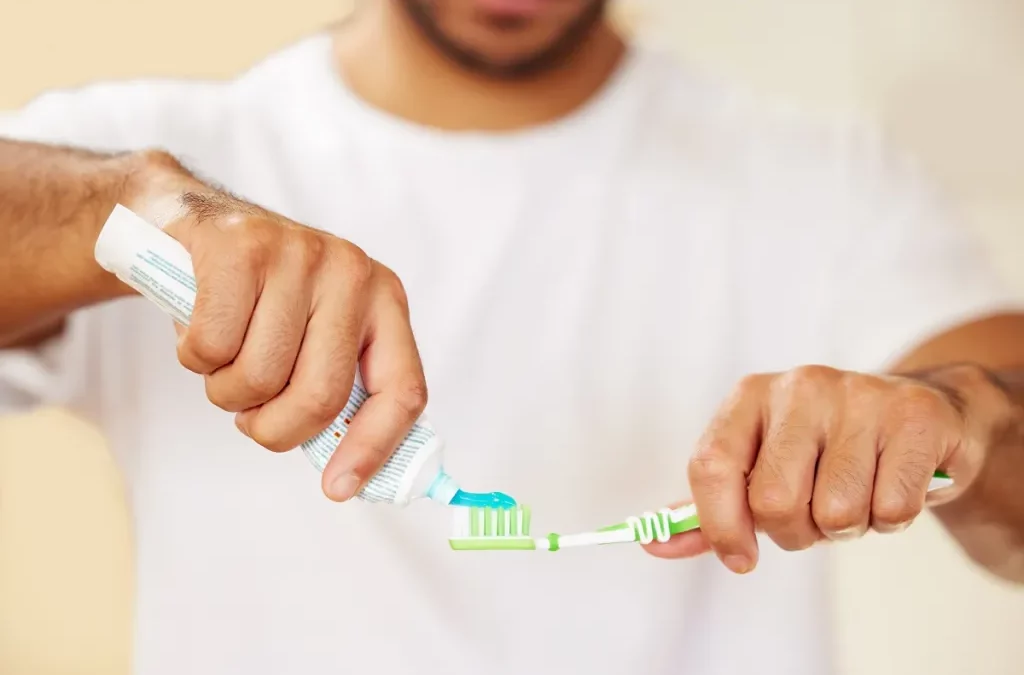
Maintaining optimal oral health requires consistent homecare practices. Essential dental homecare includes daily brushing, flossing, and the use of mouthwash to eliminate plaque and prevent cavities. By integrating these practices into your routine, you can significantly enhance your dental health.
For instance, brushing twice a day with fluoride toothpaste and flossing daily can reduce the risk of gum disease and tooth decay. Additionally, using an antibacterial mouthwash can further protect against harmful bacteria, ensuring a healthier mouth overall.
Understanding Tooth Sensitivity: Causes and Solutions
Tooth sensitivity is a common issue that can arise from various factors, including worn enamel, gum recession, or dental procedures. Understanding the underlying causes is crucial for effective management and prevention of sensitivity-related discomfort.
For example, individuals with receding gums may experience increased sensitivity due to exposed tooth roots. Solutions can include using desensitizing toothpaste, applying fluoride treatments, or consulting a dentist for more advanced interventions to protect sensitive areas.
Tips for Choosing the Right Toothbrush and Toothpaste
Selecting the appropriate toothbrush and toothpaste is vital for effective dental care. A soft-bristled toothbrush is generally recommended to prevent enamel wear and gum irritation, while fluoride toothpaste can provide additional protection against cavities.
When choosing toothpaste, look for options specifically designed for sensitive teeth if you experience discomfort. Additionally, consider consulting with your dentist for personalized recommendations based on your unique dental needs.
The Importance of Regular Dental Check-ups
Regular dental check-ups are essential for maintaining oral health and preventing serious dental issues. During these visits, your dentist can identify potential problems early, provide professional cleanings, and offer tailored advice for homecare practices.
For instance, biannual visits allow for the monitoring of dental health changes, ensuring timely interventions. This proactive approach can save you from more extensive treatments in the future and help you maintain a healthy smile.